
Dark web basics
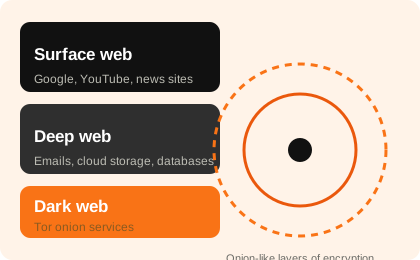
What the dark web is, why it exists, and how it differs from the deep web. The honest version without the scary movie vibes.
What is the dark web →A friendly, no-hype guide to the darknet, Tor browser, VPN privacy, dark web scams, and digital security. Clear explanations, honest warnings, and practical advice — written for everyday readers in the US and Europe.
Start with What Is the Dark Web? Browse all guides
What the dark web is, why it exists, and how it differs from the deep web. The honest version without the scary movie vibes.
What is the dark web →
How Tor routes your traffic through three relays, what onion services are, and what anonymity can and cannot do.
Tor browser guide →
What a VPN really hides, how it compares with Tor, and which threats it will not save you from.
VPN and online privacy →
Scam forums, fake markets, exit fraud, and money traps. Everything you must know to avoid losing money or worse.
How avoid darknet scams →Discover what the dark web is, how onion routing works, and why most of it is boring — and small.
Your email inbox is part of the deep web. Here is the difference that most people get wrong.
Install, configure, and browse with Tor while keeping your identity and device safe.
VPNs hide your IP from websites — but not from everyone. A realistic view of VPN limits.
Scam forums, phishing, and fake markets: the most common traps and how to recognize them.

How researchers monitor the darknet legally, what they learn, and how it protects everyone.
No. The technology itself — Tor, onion services, anonymous browsing — is perfectly legal in the US and EU. What is illegal is specific activity on it, like buying stolen data or illegal goods. Using Tor is protected free expression in many countries.
Browsing well-known onion sites in a properly configured Tor browser carries low technical risk. The real dangers are scams, malware on shady sites, and legal trouble if you participate in illegal activity. Stay informed and you cut most of the risk.
Journalists and activists use it to protect sources, privacy-minded people use it to avoid tracking, and researchers study it for cybersecurity. A small share of sites host crime — which is why law enforcement keeps shutting them down.
Not fully. A VPN hides your IP from the site you visit, but the VPN provider still sees your traffic. Real anonymity needs threat modeling: Tor, careful habits, and knowing who you are hiding from. See our VPN guide for details.
Yes. Tor hides your IP from sites, but deanonymization happens through mistakes: logging into personal accounts, reusing usernames, opening documents with tracking, or installing malware. Discipline matters more than software.